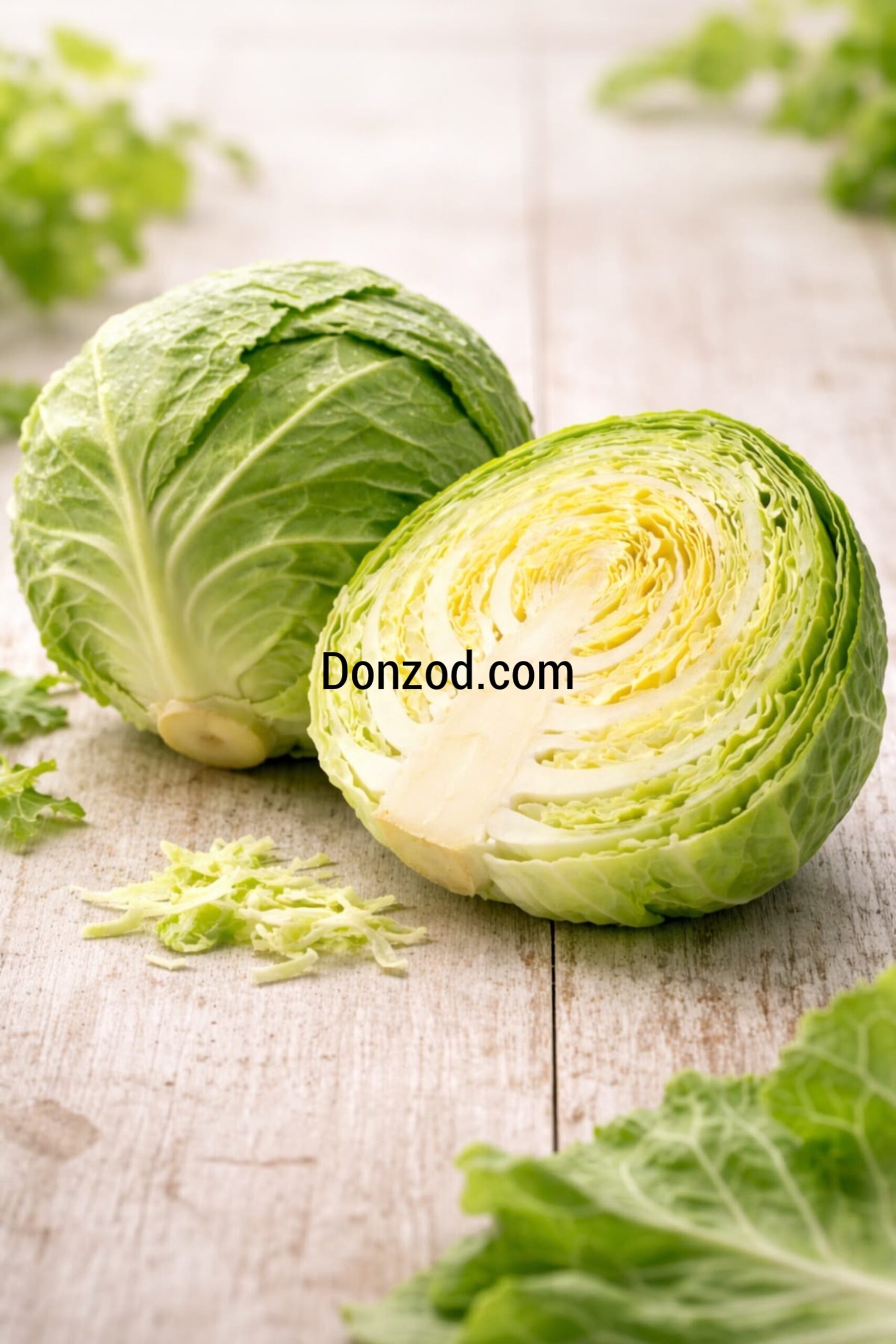
Cabbage is a leafy green or purple vegetable that is not only versatile in the kitchen but also a nutritional powerhouse.
Whether it is used in salads, soups, or stir fries, cabbage provides a wide array of health benefits due to its rich nutrient profile.
In this article, we will explore the various nutrients found in cabbage and discuss the potential health benefits it offers.
Nutrient Profile of Cabbage.
Cabbage is low in calories but high in essential nutrients. A typical serving of 100 grams of cabbage contains only 25 calories, making it an excellent choice for those looking to maintain or lose weight.
However, it is the nutrient content that truly sets cabbage apart. Here is a breakdown of the key nutrients found in cabbage:
- Vitamins: it is a good source of various vitamins, particularly vitamin C. A 100-gram serving provides approximately 36% of the recommended daily intake of vitamin C. This antioxidant vitamin plays a crucial role in immune function, collagen production, and overall skin health.
- Vitamin K: It is also rich in vitamin K, which is essential for blood clotting and bone health. A 100-gram serving can provide about 76% of the daily recommended intake.
- Vitamin B6: it contains vitamin B6, important for brain development and function, as well as the metabolism of proteins and red blood cells.
- Folate: Folate, or vitamin B9, is another important nutrient found in cabbage. It is crucial for cell division and the formation of DNA, making it vital during pregnancy.
- Minerals: It is a good source of minerals like potassium, manganese, and calcium. Potassium helps regulate blood pressure, while manganese supports bone health and calcium is necessary for strong bones and teeth.
- Fiber: It is rich in dietary fiber, which aids in digestion, helps maintain a healthy weight, and may reduce the risk of certain diseases.
- Phytonutrients: It contains a variety of phytonutrients, including flavonoids and glucosinolates. These compounds have antioxidant and anti-inflammatory properties, which can protect cells from damage and reduce the risk of chronic diseases.
Health Benefits of Cabbage Nutrition.
The rich nutrient profile of cabbage contributes to a range of health benefits.
Let’s explore some of the advantages of including cabbage in your diet:
- Digestive Health: The high fiber content promotes healthy digestion. Fiber adds bulk to the stool, reducing the risk of constipation and supporting a healthy gut microbiome.
- Weight Management: With its low calorie content and high fiber, it can be a useful addition to a weight loss diet. It helps keep you feeling full and satisfied without adding excess calories.
- Heart Health: Potassium in cabbage helps lower blood pressure and reduce the risk of cardiovascular diseases. Additionally, the antioxidants in cabbage may help protect the heart by reducing oxidative stress.
- Cancer Prevention: Belongs to the cruciferous vegetable family, known for its cancer-fighting properties. The glucosinolates in cabbage can help prevent certain types of cancer, including colon, breast, and prostate cancer.
- Bone Health: The combination of vitamin K and minerals in cabbage is beneficial for bone health. Vitamin K is necessary for bone mineralization, and the minerals help maintain bone density.
- Immune Support: The high vitamin C content in cabbage is well known for its immune-boosting properties. It enhances the body’s ability to fight off infections and illnesses.
- Anti-Inflammatory Effects: The phytonutrients in cabbage have anti-inflammatory properties, which can help reduce inflammation in the body and decrease the risk of chronic diseases related to inflammation.
Conclusion
In conclusion, cabbage is a powerhouse that offers a wide range of health benefits. It is a low-calorie vegetable packed with vitamins, minerals, and fiber, making it an excellent choice for those looking to maintain a healthy diet.
Its potential to aid in weight management, support digestive health, and protect against chronic diseases like cancer and heart disease cannot be overstated.
Including cabbage in your diet can be as simple as adding it to salads, stir-fries, or soups. With its versatility and impressive nutrient profile, it is a valuable addition to any meal.
Furthermore, its cruciferous nature and the presence of antioxidants and anti-inflammatory compounds make it a crucial component of a disease-fighting diet.
To reap the full benefits, it is essential to incorporate a variety of vegetables into your daily meals. A diverse diet ensures that you get a broad spectrum of nutrients that your body needs to function optimally.
So, whether you are fan of coleslaw, sauerkraut, or simply enjoy a steamed side of cabbage, you are doing your body a favor by including this nutritious vegetable in your diet.
Cabbage is not only a culinary delight but also a fantastic addition to a healthy and balanced lifestyle.
Leave a Reply