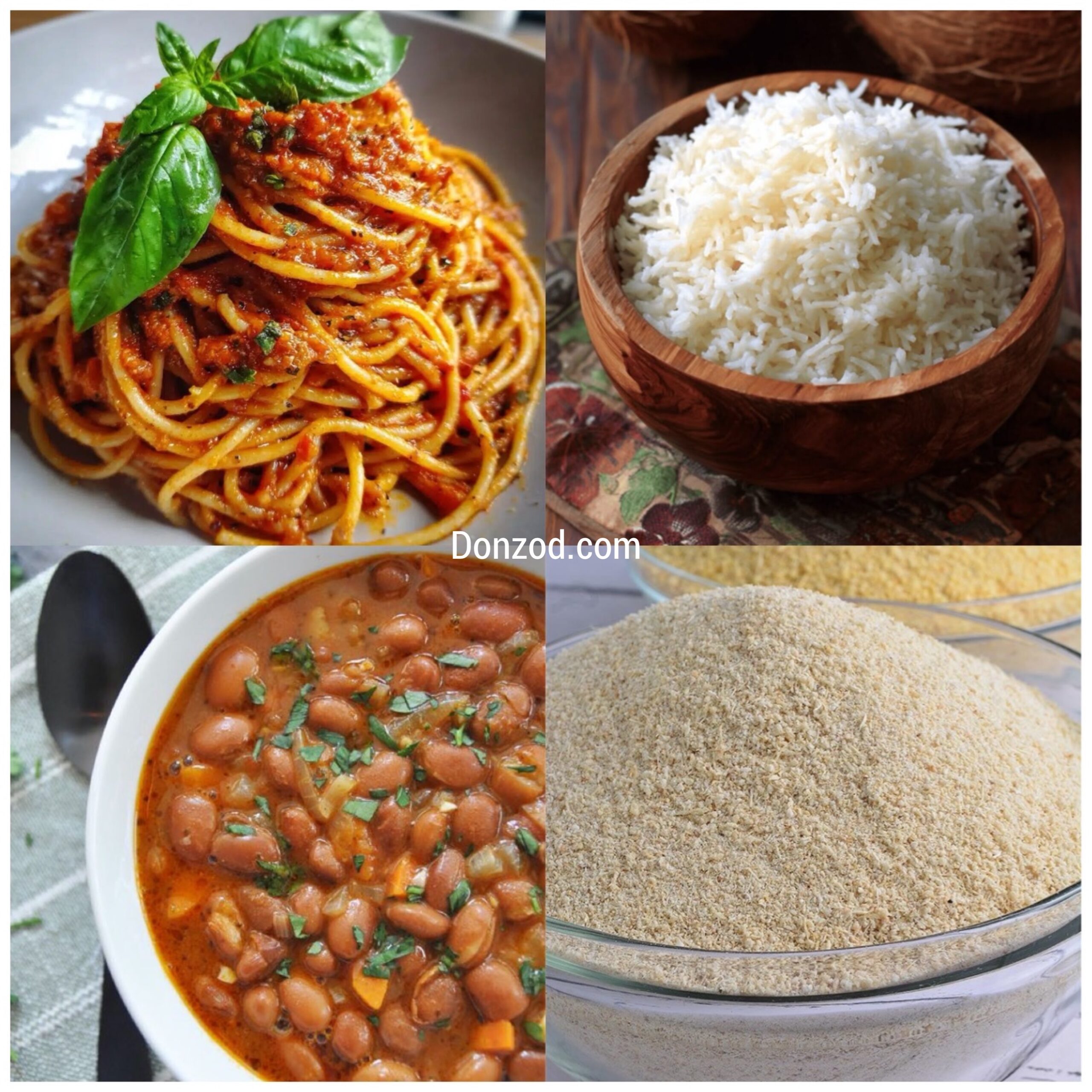
Healthy eating when you are a student can be a big challenge, especially when you are not from a well to do home and have a tight budget.
Many students believe that eating healthy means spending too much money or buying things that are expensive, but that is not completely true. With little planning and smart choices, you can eat good food, stay healthy, and still not spend too much.
In our website donzod.com we will talk about how students can eat healthy on a budget, and how to make it a daily habit.
First of all, it is important to understand what healthy eating really means.
Healthy eating is not about eating salad all the time or buying expensive food that you see in classy restaurants.
It means having a balanced meal that includes fruits, vegetables, proteins, and grains. It means avoiding too much junk food and sugar, and making sure you get the nutrients your body needs to function properly.
As a student, your brain and body need enough energy to study, attend lectures, and do your assignments. That is why what you eat matters a lot.
Many students make the mistake of eating only noodles or junk food because it is easy and cheap.
Instant noodles may be fast to cook, but it does not give you enough nutrients. If you plan your meals well, you can eat better and even spend less than when you eat junk.
The following tips will help you make the right choices of what to eat in a tight budget as a student.
- Plan Your Meals Before Shopping
One of the biggest mistakes many students make is going to the market or supermarket without a plan. When you do not have a list, you will buy unnecessary things and forget what you actually need.
So, the first step to this journey of eating healthy on a budget is to plan your meals. You can do this every weekend.
Take time to think about what you will eat in the coming week, write down simple meals that are healthy and not expensive. For example, rice and beans, vegetables with yam, or oats with fruits.
Once you write them down, make a list of the ingredients you will need and stick to it when shopping.
Planning helps you avoid waste and also helps you control your spending. You can even cook in bulk and store the food in containers to save time during the week. In this way, you will not always be tempted to buy fast food or snacks outside.
- Always Buy in Bulk When You Can
Buying in bulk can save a lot of money, especially for non perishable items like rice, beans, garri, oats, and pasta.
If you buy in small quantities every few days, it usually costs more. But if you buy a larger bag or share with a friend, you will spend less in the long run.
Also, it is advised you always check the expiry dates when buying food in bulk to avoid wasting your money on things that will soon expire.
If you live in a hostel or shared apartment, you and your roommates can contribute and buy food items together. It will help both of you save money and still eat good food. It also helps reduce the cost of cooking gas and other small small expenses.
- Go for Local and Seasonal Foods
Many students like to buy imported food because they think it is better. But local food is not only cheaper, it is also very healthy.
For example, vegetables like ugu, waterleaf, and spinach are rich in vitamins and are usually cheaper when they are in season.
The same thing goes for fruits. Buy fruits that are in season because they are always cheaper and fresher. You can get bananas, oranges, pawpaw, or mangoes depending on the time of the year.
Avoid spending too much on imported apples or grapes when you can get local fruits that give the same nutrients.
- Eat More Of Home Made Meals Than Eating Out.
This is one of the most important things if you want to eat healthy on a budget. Cooking your own food helps you control what you eat and how much you spend.
When you eat out, you pay not only for the food but also for the service. Even small snacks or fast food add up at the end of the week.
Instead of doing this, try to cook at home as much as you can. Cooking may look stressful, but with practice, it becomes easy.
You can prepare simple meals that do not take long. For example, rice with vegetables, beans porridge, yam and egg sauce, or spaghetti with stew.
These are foods that are filling, nutritious, and affordable. You can also cook once and store the food in the fridge or freezer to eat later.
- Avoid Wasting Food
Food waste is one of the biggest reasons why students spend too much. Sometimes we cook too much or forget to eat what we cooked earlier, or maybe, overstay in school and the food will get spoiled.
To avoid this, always cook the amount you can finish or store leftovers properly. You can use leftover rice to make fried rice, or use vegetables from one meal for another dish. Learning how to use what you already have saves both food and money.
- Choose Cheaper Protein Sources
Protein is very important for your body, but it does not mean you must buy expensive meat all the time.
There are many cheaper sources of protein that are also healthy. For example, beans, eggs, groundnut, and fish like sardine or mackerel are very good. You can also buy dry fish or crayfish to use in cooking. These options are not only affordable but also full of nutrients.
- Drink More Water, Not Soft Drinks or Sodas and Try New Recipes
Many students spend a lot on soft drinks, juices, and energy drinks. These drinks are not only expensive but also full of sugar.
Drinking enough water every day is better for your health and also free. If you want something different, you can make natural juice at home by blending fruits like oranges, pineapple, or watermelon. That way, you know what is inside your drink and you save money too.
On the other hand, eating healthy does not mean eating boring food. You can always try new recipes with the things you already have.
For example, you can add vegetables to your noodles or cook beans with corn to make it more interesting. Trying new things makes eating healthy more fun and keeps you from getting tired of the same food every day.
- Avoid Buying Food When You Are Hungry
This is a small but very important tip. When you go shopping or to the market hungry, you will end up buying more than you need.
Hunger makes you pick things you do not plan to buy. Always eat before you go shopping so that you can focus on your list and not your stomach.
- Keep Snacks Simple and Healthy
Sometimes, between classes or study sessions, you will need a quick snack. Instead of buying chips or biscuits all the time, you can prepare your own snacks.
For example, you can roast groundnut, bake plantain chips, or slice fruits and keep them in a container. These are healthier and cheaper options.
Conclusion on Healthy Eating
Healthy eating on a budget for students is not as hard as many people think. It only needs planning, discipline, and some creativity.
When you make small changes in how you buy and prepare food, you will notice that you spend quite less than the amount you spend before in foods.
Eating good food helps your brain stay active, your body stay strong, and your mood stay good. As a student, you need all of that to perform well in school and stay focused.
Leave a Reply