Blog

  • Vegetables for Proteins in Nigeria

    Vegetables for Proteins in Nigeria

    Vegetables are often overlooked as sources of protein, yet many Nigerians still believe that only meat, fish, or eggs provide this essential nutrient.

    Some of the vegetables we eat every day carry good amount of protein that help our body to grow, repair tissue and stay strong.

    If you want to reduce meat for health or money reason, or maybe you just like more plant food, it is useful to know which local vegetables bring the highest protein.

    Protein is one of the three big nutrients our body needs daily. Most adults need about 50 to 60 grams of protein depending on work and age.

    Vegetables alone might not give all the amino acid in one meal but when you mix different types you can still meet your body needs.

    1. Ugu (Fluted Pumpkin Leaves)

    Ugu is one of the most popular vegetable in Nigeria. People use it in soups like egusi and ogbono. One cup of cooked ugwu can give around 3 grams of protein.

    That may look small but when you eat enough portion it add up. Ugwu is also rich in iron and vitamin A which is good for blood and eyes.

    Cooking it lightly keeps the nutrients. Some people boil too long which is not good because the leaves turn dark and lose vitamins.

    1. Ewedu

    Ewedu is loved mostly in Yoruba homes, often served with amala and gbegiri. It contains about 4 grams protein in a cooked cup. It is slimy after cooking but that slimy texture also help digestion.

    Ewedu also provides calcium and vitamin C. Add little crayfish or pepper for nice flavour. If you blend it too smooth it can lose some fiber, so just cook gently.

    1. Green Amaranth (African Spinach)

    Amaranth leaves which many call green, is common in markets across local markets in Nigeria. It gives around 3 grams protein per cup when cooked and is rich in iron and folate.

    You can fry it with tomato and onion for quick side dish or mix with yam porridge. People sometimes throw away the tender stems but they are also edible and have fiber.

    1. Garden Egg Leaves

    Garden egg leaves are often used for sauce or as side with boiled yam. They are good source of protein, about 2 to 3 grams per cooked cup, and provide antioxidants that support liver and kidney.

    Some people eat them raw but washing well is important to remove dirt and tiny insects.

    1. Bitter Leaf

    Even though bitter leaf is known for its bitter taste, it is loaded with nutrients and around 3 grams of protein per cup cooked. It is popular in onubu soup among the Igbo.

    Washing properly to reduce the bitterness is key. Bitter leaf also has medicinal value, some say it help to lower blood sugar though you should not rely on it alone for treatment.

    1. Okra

    Okra is a vegetable many Nigerians love for soups. It contain about 3 grams of protein per cup and is rich in fiber which help stomach health.

    Okra soup is easy to cook and can be combined with fish or beans for extra protein. Try not to overcook because it becomes too soft and lose some nutrients.

    1. Beans (Cowpea)

    Beans is more of a legume but many Nigerians count it as vegetable in meals. Cowpea (black eyed beans) is a powerhouse with about 15 grams protein per cooked cup.

    Moimoi, akara or plain beans porridge are excellent ways to enjoy it. Beans also have iron and fiber. Soaking beans before cooking reduce gas and make it cook faster.

    1. Green Peas

    Fresh or dried green peas are another good source of plant protein, about 8 grams per cooked cup. You can add peas to fried rice, jollof or even swallow dishes for extra nutrients. Frozen peas also work fine if you cannot get fresh ones.

    1. African Yam Bean

    Though not as common as cowpea, African yam bean is rich in protein around 13 grams per cup cooked.

    It can be boiled like regular beans or mixed with maize to make a local porridge. Many people overlook it but it is tasty and filling.

    1. Locust Beans

    Locust beans are used more like a seasoning but still add protein. Fermented locust beans have about 12 grams protein per 100 grams and give unique flavour to soups like efo riro or egusi. Even small quantity contributes nutrients.

    Combining Of Vegetables for the Best Protein Result

    One vegetable by itself might not give all essential amino acids. But when you combine different vegetables or eat them with grains like rice, millet or yam you can make a complete protein.

    For example, beans and corn mixture in moi moi or pap with milk provide better amino acid balance.

    Adding groundnut or sesame seed to vegetable dishes also boost protein and healthy fat. Combining different kinds of vegetables at a time is the secret. Do not just eat ugu every day, mix with other greens and legumes.

    Tips on How to Increase Protein from Vegetables

    1. Eat bigger portions of vegetables as vegetables have low calories so you can eat more without worry.
    2. Cook the vegetables slightly as overcooking it may kill the nutrients. Quick steaming or stir fry is best.
    3. Include legumes such as beans, peas, African yam bean all give serious protein punch.
    4. Snack smartly because roasted groundnut with sliced cucumber is better than biscuit if you need protein snack.

    Importance Of Plant Proteins

    Plant proteins are naturally low in saturated fat and have no cholesterol, which is good for heart health.

    They also bring fiber that helps digestion and control weight. People who eat more plant protein often have lower blood pressure and less risk of diabetes.

    But if you depend only on plant food, make sure to get enough calories and vitamin B12.

    Animal sources provide most B12, so strict vegetarians need fortified cereals or supplements.

    Typical Example of Daily Plant Protein Meals

    • Breakfast, eat beans and corn moi moi with a side of fresh ugu smoothie.
    • Lunch eat efo riro with a mix of amaranth and garden egg leaves, served with brown rice.
    • Dinner you can pair okra and ewedu soup with small fufu and roasted groundnut topping.

    This kind of menu can give nearly 60 grams of protein if portion is right.

    Conclusion

    Eating vegetables rich in protein is not as hard in Nigeria as many think. From ugu and ewedu to beans and African yam bean, the market is full of choices that fit every pocket.

    Mixing different greens with legumes ensures you reach your daily protein needs while also getting vitamins, minerals and fiber.

    It also help the environment because plants use less water and create less waste than animal farming. So when you cook a big pot of beans with bitter leaf or enjoy a plate of peas fried rice, you are feeding your body and protecting the earth at same time.

     

  • Zero Sugar Fruit Juice.

    Zero Sugar Fruit Juice.

    Zero sugar fruit juice carries a special kind of magic. Born from Nigerian soil, nourished by the warm sun and rich earth, oranges, pineapples, mangoes, and guavas.

    It transform into bold, juicy sweetness that delights and surprises even for those who have savored them season after season.

    Many people take chilled bottles of fruit juice in hot weathers or during busy workdays

    But in the last few years, a quiet change has started to happen on supermarket shelves and in neighborhood kiosks. More and more bottles now carry the words Zero Sugar in bright letters.

    These juices promise the familiar taste of Nigeria’s favorite fruits without added sugar that people have come to expect from sweet drinks.

    It may look like a small label change, but it is shaping how Nigerians think about health, taste, and even tradition.

    Benefits of Zero Sugar Fruit Juice.

    Recently, many people are paying closer attention to what they drink. Rates of diabetes and heart problems are rising, especially in the major cities of Nigeria.

    Doctors often tell patients to reduce sugar, but that is not always easy. For a long time, fruit juice meant something very sweet, and most brands added extra sugar or syrup to please the tongue.

    Zero sugar juice is a new answer to an old problem.
    Instead of loading bottles with extra sweeteners, producers rely on the natural taste of ripe fruit.

    Sometimes they use safe sugar alternatives like stevia, which adds a mild sweetness without the calories that harm the body.

    It might taste slightly different at first sip, some people say it feels lighter but it quickly grows on you.

    When people drink these juices, they get the vitamins and antioxidants of the fruit without the sharp spikes in blood sugar. Parents who are careful about what their children drink can serve it with less worry.

    Adults who want to lose weight or keep energy steady during long office hours also find it a good option. One reason zero sugar juice stands out is that it celebrates local agriculture.

    Nigeria has vast farmlands that produce mangoes, oranges, pineapples, guavas, and cashew apples. Many small farmers depend on these crops for their living.

    When juice companies buy directly from them, it supports rural communities and keeps the supply chain local.

    A farmer in any agricultural rich state in Nigeria might wake before dawn to pick ripe oranges. Another Farmer might load baskets of guava onto a truck headed to a nearby processing plant.

    The fruit is washed, pressed, and bottled often within a few days of leaving the tree. This quick journey keeps the natural flavor strong, which matters even more when no extra sugar is added to hide a dull taste.

    Zero Sugar Fruit Juice Grows The Market.

    Walk into a supermarket and you will see brands competing for attention. Some are big international names adapting to local tastes, while others are proudly Nigerian, highlighting homegrown fruit.

    Small juice bars and cafes also now offer zero sugar blends, mixing pineapple with ginger or watermelon with a hint of mint.

    Interestingly, young adults seem to drive much of the demand. Fitness communities on social media talk about calories and sugar grams, sharing pictures of morning jogs and bottles of sugar free juice.

    Health focused restaurants pair these drinks with salads or grilled fish, turning them into part of a modern lifestyle. Even parties and weddings have caught the trend.

    Hosts often serve a mix of regular and zero sugar drinks so guests can choose. It is becoming normal for someone to request the one without sugar and not feeling odd.

    It Still Retains The Sugar Taste

    Some people worry that zero sugar means bland flavor, but that is far from true. When fruit is fresh and well chosen, its natural sugars and acids give a balanced taste.

    A bottle of cold pressed mango juice can feel almost like eating the fruit itself, only smoother. Pineapple has a bright, tangy kick, while guava offers a gentle sweetness that does not need extra help.

    Of course, taste can vary slightly between batches, because real fruit changes with the season.
    One week’s orange juice might be a bit sharper, another week a bit mellow. But many consumers actually enjoy this honesty. It reminds them that the juice comes from real farms, not from a factory mixing powders.

    The Challenges Of Zero Sugar Fruit Juice

    Producing zero sugar juice in Nigeria is not without its difficulties. Fresh fruit is more expensive when weather or pests affect harvests.

    Without heavy sweeteners as a cushion, companies must keep strict quality control so every bottle tastes right.

    There is also the matter of price. Some zero sugar juices cost a little more than regular ones, which can be a barrier for families watching every naira. Many manufacturers believe the investment is worth it.

    As awareness grows, economies of scale can help bring prices down, policies that support local farming and processing can also make a difference.

    Simple Tips for Enjoying Zero Sugar Juice

    1. Read the label carefully so that you will understand that not every bottle that says natural is sugar free.
    2. Keep it chilled because zero sugar juice often tastes freshest when served cold.
    3. Pair it smartly. It goes well with light meals like grilled fish, roasted plantain, or simple rice dishes.
    4. Try blend it with mango and a little lime or add fresh mint leaves for best taste

    These small habits help you get the most flavor and health from each sip.

    The move toward zero sugar juice is more than a passing diet trend. It signals a shift in how Nigerians think about everyday pleasure. People want food and drinks that taste good but also respect their health.

    They are learning that sweetness does not always mean sugar, and that real fruit can stand proudly on its own.

    People who once kept large bottles of soda at every meal now keep smaller packs of unsweetened juice.

    Conclusion

    Zero Sugar Nigerian Fruit Juice is not just another beverage on the shelf. It is a story of local farmers, modern health awareness, and the timeless joy of fresh fruit.

    The flavor remains bright, the nutrients stay strong, and the pleasure of a cold drink on a hot day never fades.


  • Protein Powders Best for Women

    Protein Powders Best for Women

    Protein powders may seem like a simple choice, but finding one that truly fits your lifestyle is not easy.

    This is because, when you walk into any health store or browse online, you will see dozens of tubs with bright labels promising all sorts of magic, which at the end of the day, becomes unrealistic.

    For women, the best choice is not always about the loudest claim or reviews, it is about what your body actually needs and what you can stick with every day.

    Protein powders are not only for bodybuilders or gym freaks, many women use them to fill gaps in daily nutrition, help muscle recovery after a workout, or just keep hunger under control when life gets too busy for regular meals.

    Protein Powders to Consider

    Below you will find some of the top options to consider, along with tips on picking the one that really fits your goals.

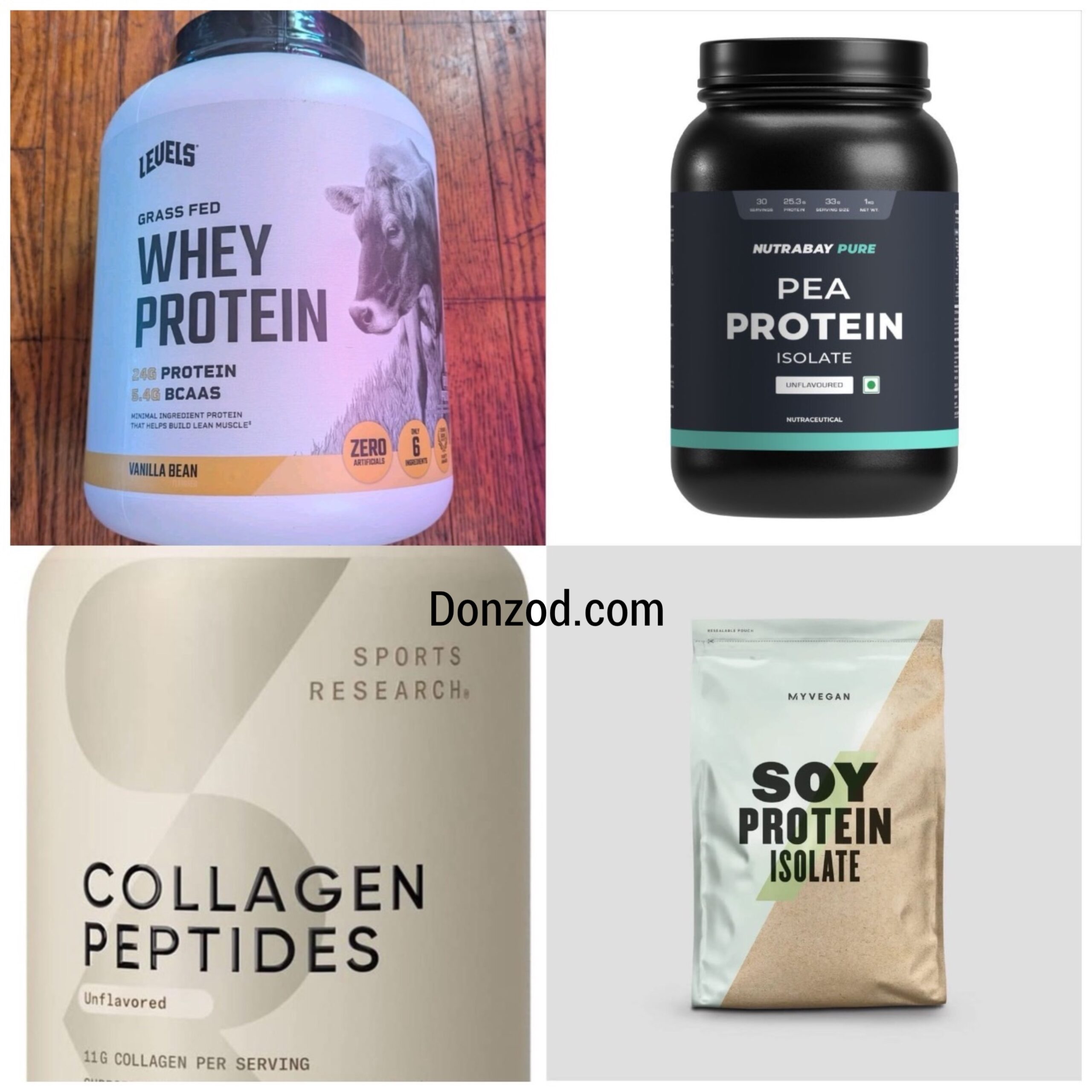
    1. Whey Protein

    • Whey remains the most popular protein powder, and for good reason. It is complete, meaning it carries all the essential amino acids your muscles crave.
    • It also digests fast, which makes it great right after exercise when your body is ready to repair.
    • For women who tolerate dairy, a high quality whey isolate is often the easiest way to hit daily protein goals. Look for brands that keep the ingredient list short, the products that have no extra sugar, artificial color, or fillers.
    • A scoop in water or unsweetened almond milk can give around 20 to 25 grams of protein.
    • But not everyone loves dairy or the slightly creamy taste. Some also find whey can cause bloating if they are lactose sensitive. In that case, plant based options might be a better option.

    2. Pea Protein.

    • Pea protein has quietly become a favorite among people who want a plant based option that still packs a punch. Made from yellow peas, it is rich in branched chain amino acids (BCAAs) that support muscle recovery almost like whey does.
    • One scoop usually gives about 20 grams of protein and mixes well in smoothies. The flavor is slightly unpleasant.
    • Many women who follow vegetarian or vegan lifestyles go with pea protein because it is gentle on the stomach and naturally dairy free.

    3. Soy Protein (A Complete Plant Based Protein)

    • Soy protein is one of the few plant proteins that is complete, meaning it has all nine essential amino acids. That makes it a solid choice for women who want to avoid animal products but still want a well rounded protein source.
    • Some people worry about soy and hormones, but moderate intake is generally considered safe by health practitioners.
    • If you enjoy soy milk or tofu already, a soy protein powder can be an easy addition to your routine. Just choose non GMO whenever possible.

    4. Collagen Peptides

    • Collagen peptides are not technically a complete protein, but they bring something special. It is the main protein in skin, hair, and joints. Many women notice improved skin elasticity and stronger nails after adding collagen to their diet.
    • Collagen powders dissolve almost invisibly in coffee or tea, which is nice if you do not want a heavy shake. Pairing collagen with another protein source like mixing a half scoop with whey or pea can give both beauty and muscle benefits.

    5. Hemp Protein For Fiber and Omega 3s

    • Hemp protein has a nutty taste and includes omega 3 fatty acids along with fiber, making it a unique pick.
    • The protein content is a bit lower per scoop usually around 15 grams but the extra fiber can help keep you feeling full and support digestion.
    • If you like earthy flavors or want a protein that doubles as a small fiber boost, hemp is the best choice. It also blends well into smoothies with banana or cocoa to soften the natural taste.

    Tips for Choosing the Right Protein Powder

    1. Check the ingredients: A clean label matters. Aim for products with minimal additives, low sugar, and no artificial sweeteners if those bother you.
    2. Think about your goals: If you want quick muscle recovery after workouts, whey isolate or pea protein is a strong choice. For overall wellness or joint support, collagen might be the better fit.
    3. Mind the calories: Some powders are pure protein, while others come as meal replacements with carbs and fats mixed in. Decide if you need a snack, a meal replacement, or just an extra protein boost.
    4. Taste and texture: Even the most nutritious powder will help if you hate drinking it. Buy small packs first, or sample a friend’s scoop, before committing to a giant tub.

    Quantity Of Protein Women Need

    There is no one size answer to this. General guidelines suggest about 0.8 grams of protein per kilogram of body weight for basic needs, but active women especially those lifting weights or training often do well with 1.2 to 1.6 grams per kilogram.

    For example, a woman who weighs 65 kg might aim for 80 to 100 grams of protein daily if she is actively training. Getting all of that from whole foods can be tricky, which is why protein powders are so handy.

    Easy Ways to Use Protein Powders.

    1. Blend into smoothies with fruit and nut butter for a quick breakfast.
    2. Stir a scoop into overnight oats or Greek yogurt.
    3. Mix with coffee for a protein latte.
    4. Add to pancake or muffin batter for a higher protein snack.

    Common Mistakes to Avoid While Using Protein Powders.

    Some people think more protein automatically equals better results. But too much protein without balancing other nutrients can lead to stomach upset or simply extra calories which you do not need.

    Another mistake is using protein powder as a total meal replacement every single day. It is not advisable. Real foods with fiber, vitamins, and minerals should still be the foundation of your diet.

    In Conclusion

    Protein powders are not magic. They are just a convenient tool to help meet daily needs. The best one for women depends on taste, dietary choices, and how it fits into your lifestyle and fitness goals.

    Whether you pick whey for muscle recovery, pea or soy for plant based power, collagen for beauty benefits, or hemp for its fiber and omega 3s, consistency matters more than any label promise.

    A manufacturer who is in dare need to sell out his products could make the label so juicy in words, but the product will be of little or no effect.

    Also, always listen to your body. The right protein powder is the one you actually enjoy and can keep using.


  • Jollof Rice Shines Brightest Hilda Baci Style

    Jollof Rice Shines Brightest Hilda Baci Style

    Jollof rice is the undisputed champion of Nigerian dishes that bring friends together always the first to show up at the table of conversation.

    When you mention jollof rice, the name Hilda Baci echoes loudly, a culinary icon whose mastery has elevated the dish to global fame.

    After her world record cooking marathon, so many people want to know how she makes her own Jollof taste so rich and bright red. I have tried different styles of Jollof for years, but Hilda’s method still feels special.

    As someone who has tried it, I am making this post to show the best ways you can prepare Hilda Baci Jollof in your own kitchen.

    Understanding What Makes Her Jollof Stand Out

    One big thing with Hilda Baci Jollof is the balance of smoky flavor and fresh spices. Some cooks either burn the rice too much or leave it too plain. Hilda somehow keeps the rice soft but also give it that famous party jollof rice taste.

    Also she does not rush the sauce at all, from what I watch on her live cook videos, she build the taste step by step.

    People think it is just rice and tomato, but no, there is more to rice and tomato, the base is actually the more important.

    She roast her peppers and tomatoes before blending, which brings out a deep sweet taste that raw tomatoes can never give.

    If you skip that roasting pepper part, you have missed Hilda’s jollof rice secret.

    Ingredients Needed to Prepare Hilda Baci Jollof Rice

    Here is a list of ingredients you will need in preparing Hilda Baci’s jollof rice.

    1. Long grain parboiled rice (any quantity you want)
    2. Red bell peppers
    3. Ripe tomatoes
    4. Scotch bonnet or atarodo peppers (2 to 3, depending on how much heat you like)
    5. Onions (2 large)
    6. Tomato paste (around 4 tablespoons)
    7. Vegetable or sunflower oil
    8. Chicken or beef stock (about 3 cups, adjust as needed)
    9. Bay leaves, thyme, curry powder, salt, seasoning cubes
    10. Butter (optional but Hilda use it small for finish)
    11. A small piece of ginger and few garlic cloves

    Sometimes she also add fresh basil leaf for a tiny sweet smell at the end. I added that in mine too, but it is optional.

    Step by Step Guide on How to Prepare Hilda Baci Jollof Rice.

    1. Roast and Blend the Base

    The first step, and please do not rush this, else you miss it. Roast the red bell peppers, tomatoes, onions, and scotch bonnet on an open flame or in the oven till the skin start to char a little.

    That char is where the smoke flavor begin. Let them cool and then blend them till smooth. This sauce is what will give your Jollof the deep red color and the sweet smoky taste.

    Many people make the mistake of blending raw tomato straight away, but that makes the sauce watery and a bit sour. I also made that mistake when I started cooking, the rice used to turn out slightly sour.

    1. Fry the Pepper Mix

    Pour enough vegetable oil in a big pot and heat. Slice the remaining onion and fry till it is almost brown but not burnt.

    Add the tomato paste first, let it fry for about five minutes to reduce the raw taste. Then pour in the roasted pepper blend. This is where patience is your friend.

    Fry on medium heat and stir often. It can take up to 30 minutes for the sauce to thicken and for the oil to start floating on top. If you rush, you will have watery Jollof.

    Also, while doing this, remember to keep your windows open if you are not using the modern kitchen equipment technologies like the heat extractors and the rest, this is because the pepper blend might be choking.

    1. Seasoning Stage.

    Now add your spices, which are bay leaves, curry powder, thyme, and seasoning cubes. Add salt but not too much because the stock later has salt already.

    Some people also add a pinch of nutmeg, I sometimes do that but Hilda mostly stay with the classic mix. Stir well and taste the sauce. If it is sweet and a little hot, you are on track.

    1. Add Stock and Rice

    Pour the chicken or beef stock gently into the sauce and bring it to boil. Wash your parboiled rice till the water runs almost clear.

    That wash remove starch so the rice will not stick. Pour the rice into the boiling sauce and mix it gently until every grain gets the color.

    Reduce the heat to low and cover with a tight cover. Some people cover the cover with foil to trap steam, which is also nice.

    The key is to let the rice cook in its own steam instead of too much water. Add little water only if you see it is drying before the rice soften.

    1. Steam and Finish Stage

    After about 20 to 25 minutes check if the rice is soft. If it is still hard, sprinkle some stock or water and cover again.

    When the rice is cooked and water is dry, add a knob of butter and stir very gently. The butter adds shine and a little richness.

    Hilda sometimes throw in few basil leaves here for aroma. Turn off the heat and let it sit covered for another 5 minutes.

    This time, the rice settle and pick up more flavor from the pot bottom. That bottom slightly burnt part is many people favorite part, including me.

    Things to be Careful of While Preparing Hilda Baci Jollof Rice

    Even though the steps look simple, some things can spoil your Jollof if you are not careful.

    1. Too much water can spoil your jollof rice if you’re not careful. You should measure your stock water carefully.
    2. Not frying sauce long enough can spoil the jollof too. This is because, if you do not fry well, you will get raw tomato taste.
    3. High heat all through will burn the rice at the bottom too fast. Low steady heat works best.
    4. Do not skip the roasting aspect, as roasting will make the jollof smoky, which is one of Hilda’s cooking secret.

    I myself once cooked Jollof in a hurry and poured way too much water. The rice became soft like porridge. Nobody enjoyed it that day.

    Best Ways to Serve Hilda Baci Jollof Rice

    Hilda Baci Jollof can stand alone or be served with other things. Many people love it with fried plantain, grilled chicken, or moi moi.

    A simple salad with cabbage, carrot, and mayo also pair well. For drinks, zobo or cold malt make the meal complete.

    If you have leftover, you can warm it next day and it sometimes taste even better because the spices settle more. Just sprinkle a little water before reheating so it does not dry out quickly.

    Conclusion.

    Cooking Jollof rice the way Hilda Baci shows is not just about food, it is also about patience and love for flavor. She proved during her cook a thon that Nigerian dishes can carry culture to the world.

    When you follow these steps I outlined carefully, be assured that you are going to get the exact result of Hilda Baci’s jollof rice, and I hope you enjoy it.

    Also remember that you do not need fancy tools, just a pot, some good rice, and time. As Hilda likes to say during her long cooking hours, good food needs patient hands. And with this guide, you can bring that same taste of celebration right to your own table.


  • Fairlife Protein Shake That Supports Fitness goals and Recovery

    Fairlife Protein Shake That Supports Fitness goals and Recovery

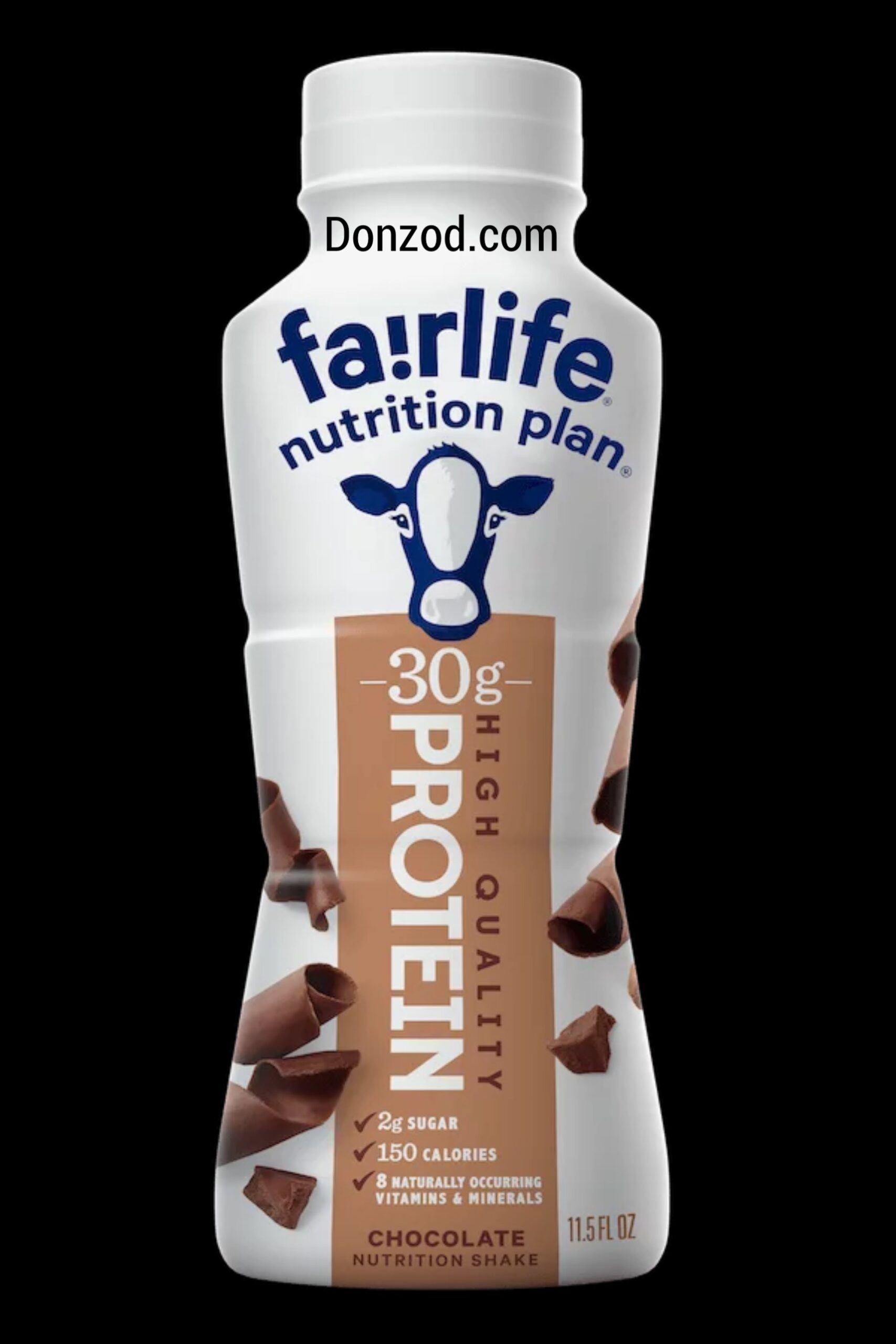
    Fairlife protein shake is a choice for people looking to enhance their protein intake with a smooth and instant drink option.

    Let me just start by saying that I am not exactly a fitness guru. I do not have a wall full of supplements or a shelf filled with gym trophies.

    But like many people nowadays, I have been trying to eat better and get a little more protein in my diet.

    I am also a bit of a sucker for food trends. So when I kept seeing Fairlife Protein Shakes pop up on Instagram and TikTok, I knew I had to give them a shot.

    If you are like me, you have probably asked yourself if protein shake is really as good as everyone makes it out to be Or is it just another overhyped drink that influencers are paid to promote.

    Well, I have spent the past month trying out Fairlife Protein Shakes, and here is my honest, unfiltered, review.

    Packaging and Availability: First Impression

    The first thing that stood out to me about Fairlife Protein Shakes was honestly the packaging. It is simple, but kind of sleek, the bright colors and bold font make it pop on the shelf, especially when it is sitting next to other more clinical looking protein shakes.

    I grabbed mine at Walmart, but I have also seen them at Target, CVS, and even some gas stations (random, I know).

    They come in a few flavors such as Chocolate, Vanilla, Strawberry, and Salted Caramel. There is also Core Power line from Fairlife, but I stuck with the main protein shake range for this review because that is the one I see people rave about the most.

    Nutritional Facts

    One 11.5 fl oz bottle of the Fairlife Protein Shake packs in 30 grams of protein, which is honestly impressive considering its size.

    It also has 150 calories, 2 grams of sugar, and only 1.5 grams of fat. For people who are lactose sensitive (like me on bad days), the good news is that it is lactose free. What makes Fairlife unique is their ultra-filtration process.

    Apparently, this is how they manage to get such a high protein content without making the shake taste like a liquefied gym sock.

    Also, it is made from real dairy milk, unlike some protein shakes that are just whey isolate mixed with water and fake flavors.

    The Actual Taste of Fairlife Protein Shake

    I started with the Chocolate flavor because chocolate is usually the safest bet when it comes to protein drinks. And glad I did. It is surprisingly smooth, not too thick but not watery either.

    Honestly, it tasted more like chocolate milk than a protein shake. I have tried a ton of protein shakes in the past and most of them left this weird chalky aftertaste.

    There is a slight “protein” undertone if you are really paying attention, but nothing too offensive.

    Next up was Vanilla. This one was not my favorite, but it did have a bit of an artificial vanilla flavor. Like that kind you get in cheap vanilla ice cream. Some people love it, especially if you are planning to blend it into smoothies or coffee.

    Strawberry was better than I expected. I was kind of dreading it because fruit-flavored protein shakes can be super hit-or-miss. But it had a nice, sweet strawberry milk vibe. I would not drink it every day, but would totally reach for it when craving something fruity.

    Why People Love Fairlife Protein Shakes

    For me, it boils down to three things:

    1. Convenience: Making a full on protein smoothie with powder, milk, fruit, and whatever else is a hassle. Fairlife shakes are grab-and-go. Perfect for those mornings when you are running late (which for me is like… every morning).
    2. Low Sugar Content: A lot of ready-to-drink protein shakes are basically glorified milkshakes with protein thrown in. Fairlife keeps the sugar low while still tasting good.
    3. Digestibility: Like I mentioned earlier, I have a tricky stomach when it comes to dairy. But I did not feel bloated or gassy after drinking these. That is a huge plus.

    Of course, no product is perfect, and Fairlife Protein Shakes are no exception. There is a few things that bugged me, and I think it is  fair to point them out.

    First, the price. Depending on where you buy them, a single bottle can cost anywhere from $3 to $4. That adds up fast if you are drinking one every day. Some people say it is worth it for the quality, but if you are on a tight budget

    Second, the availability of flavors. Not all stores carry all the flavors. Sometimes would go hunting for the Salted Caramel one, and it is nowhere to be found. I guess that is what happens when a product gets too popular.

    And third, while this is not a deal breaker, I kinda wish Fairlife would introduce some plant-based options. Not everyone wants dairy, even if it is lactose-free.

    Is Fairlife Protein Shake Actually Healthy?

    Yes, Fairlife Protein Shakes are high in protein and low in sugar, which is great. However, it is not still the same as eating whole foods. It is still a processed drink with added flavors, preservatives, and sweeteners like sucralose.

    If you are using it to supplement your diet like for post workout recovery or as a quick breakfast when you are on the run and I think it is a solid choice. But I would not recommend replacing actual meals with it all the time.

    Some nutrition purists online will tell you to only eat “real food” and avoid anything in a bottle.

    Conclusion 

    If you are looking for a high protein drink that actually tastes good and would not wreck your stomach, Fairlife is definitely worth trying.

    Especially if you are sick of gritty protein powders and thick, undrinkable shakes. Just be ready to pay a bit more for the convenience.

    Personally, I will keep grabbing the Chocolate and Salted Caramel flavors whenever I see them.

    They are now my go-to for post-workout snacks or when I just need something to hold me over between meals. Is it life-changing? Probably not. But it is a small win in my ongoing quest to eat better without sacrificing taste.

    So there you have it, my full, slightly rambling, hopefully helpful review of Fairlife Protein Shakes. If you have tried them too, let me know you think about it.


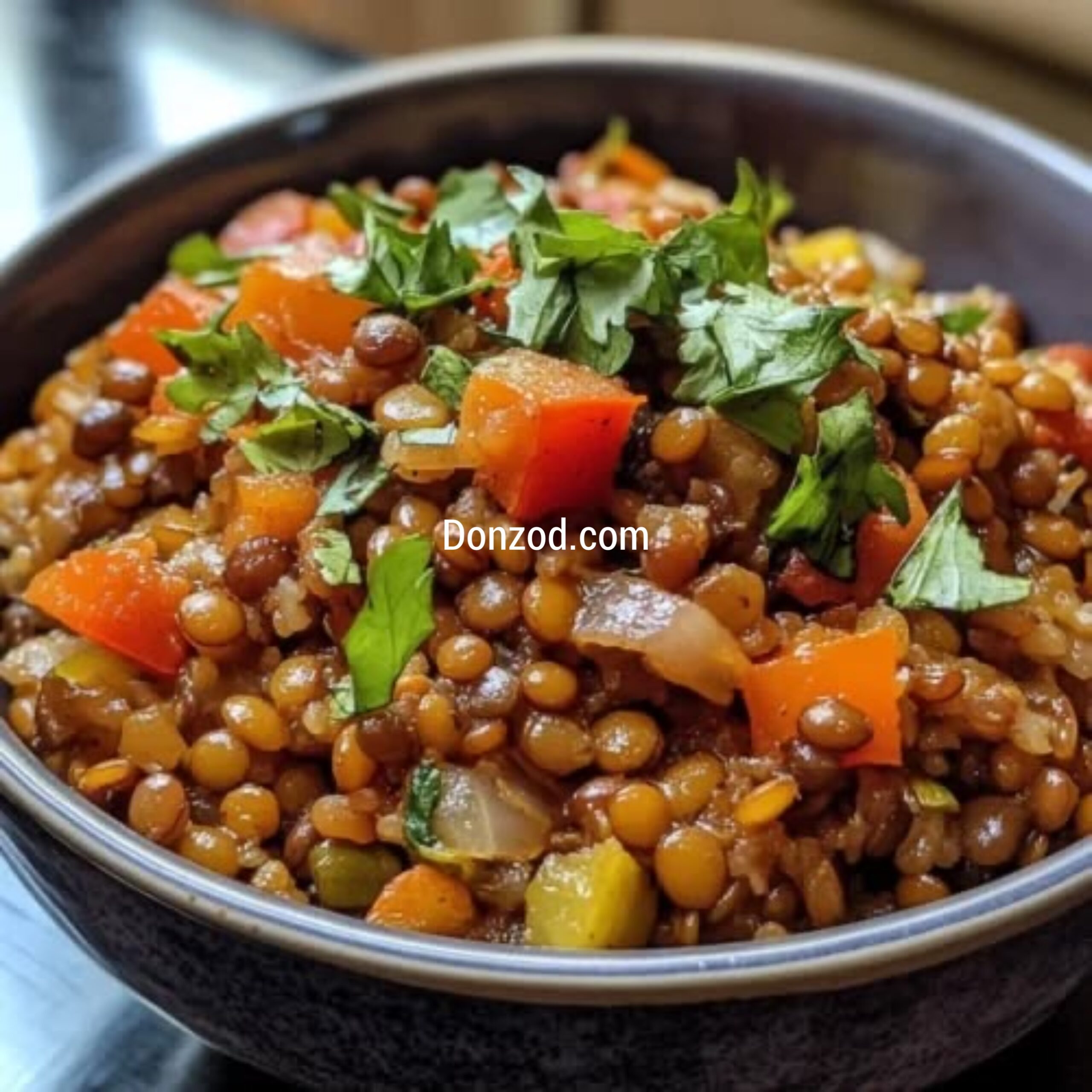
  • Beans and Lentils Health Benefits

    Beans and Lentils Health Benefits

    Beans and lentils have been part of human diets for thousands of years, yet many people do not give them the attention they deserve in modern meals.

    They are not only affordable and widely available, but also packed with nutrients that support general health and wellbeing.

    In many places, they are seen as a poor man’s meat, but this view underestimates their true nutritional power.

    Scientific studies and health experts continue to point out that beans and lentils can provide benefits that rival, and in some cases surpass, those of more expensive protein sources.

    In our website donzod.com, we will look at the various importance and health benefits of beans and lentils, and why you should consider adding them regularly in your diet.

    The Health Benefits of Beans and Lentils.

    1. Beans and Lentils are Rich Sources of Plant Protein

    One of the most important benefits of beans and lentils is that they are rich in plant based protein. For individuals who do not eat meat or want to reduce meat consumption, these legumes offer a strong alternative.

    Protein is essential for repairing tissues, building muscles, and maintaining strong immune system. Unlike animal protein that is often high in saturated fat, beans and lentils provide protein without unnecessary unhealthy fats.

    For instance, a cup of cooked lentils contains about 18 grams of protein, which is almost the same as eating three large eggs.

    Beans such as black beans or kidney beans also provide around 15 grams of protein per cup.

    Whole grains like rice or wheat combine with beans and lentils to form a complete protein, providing all the essential amino acids the body needs.

    1. High Fiber Content for Digestive Health

    Fiber is a very important nutrient that many people fail to get enough of in their daily meals. Beans and lentils are made with much of dietary fiber, which are both soluble and insoluble fiber

    Soluble fiber helps reduce cholesterol levels by binding to it in the digestive tract, while insoluble fiber aids in keeping bowel movement regular and preventing constipation.

    A diet rich in fiber also helps maintain a healthy balance of gut bacteria, which scientists now recognize as central to digestion and overall immunity. Regular consumption of lentils and beans can therefore improve digestive health significantly.

    Another thing to note about Beans and Lentils is that  some people experience gas or bloating after eating beans, which can be uncomfortable.

    However, soaking beans before cooking and rinsing canned beans can reduce this effect. Gradually increasing fiber intake also allows the digestive system to adjust better.

    1. Beans and Lentils Help in Blood Sugar Regulation

    Another significant benefit of beans and lentils is their role in controlling blood sugar. Because they are digested slowly, they have a low glycemic index.

    This means they release glucose into the bloodstream at a slower rate compared to refined carbohydrates. For people living with diabetes or those at risk of developing it, beans and lentils are a smart dietary choice.

    Studies have shown that replacing refined grains or starchy foods with legumes can reduce blood sugar spikes and improve insulin sensitivity.

    Lentils in particular have been found to blunt the rise in blood sugar after a meal. This makes them an excellent food for maintaining steady energy levels throughout the day.

    1. It is Beneficial to the Heart’s Health

    The heart is one of the most important organs in the body, and diet plays a huge role in keeping it strong. Beans and lentils contribute to heart health in several ways.

    Firstly, their high fiber content helps lower bad cholesterol

    Secondly, they are naturally low in fat and contain no cholesterol themselves.

    They are also good sources of potassium, magnesium, and folate. Potassium helps in regulating blood pressure by countering the effects of sodium.

    Magnesium contributes to proper heart rhythm, while folate reduces homocysteine levels, a compound linked to increased risk of heart disease.

    Regularly eating beans and lentils lowers cardiovascular disease rates in many populations.

    1. It is Made of up so Many Micronutrients

    Apart from protein and fiber, beans and lentils provide many essential vitamins and minerals.

    Iron, folate, magnesium, phosphorus, zinc, and vitamin B6 are some of the important nutrients that are present in beans and lentils.

    Iron is particularly important for preventing anemia, especially in women of childbearing age.

    Folate is critical for cell growth and development, making lentils especially valuable for pregnant women.

    Magnesium supports both nerve and muscle function. Zinc strengthens the immune system and aids wound healing.

    The variety of nutrients in these legumes makes them one of the most nutritious food groups available that is budget friendly.

    1. Body Weight Management

    Maintaining healthy body weight can be a struggle for many people. Including beans and lentils in regular meals can help in this regard.

    They are naturally low in calories but high in protein and fiber, which makes them very filling. Eating them increases satiety, meaning you are less likely to feel hungry soon after a meal.

    Because they keep you full for longer, they can reduce overall calorie intake throughout the day.

    Some nutritionists have found that diets rich in legumes are associated with lower body weight and reduced risk of obesity and other overweight anomalies.

    Beans and lentils provide a natural and satisfying way to control appetite, unlike many processed foods that promote weight gain,

    1. It Supports the Health of the Bones

    Bones need calcium, magnesium, and phosphorus to remain strong, and beans and lentils supply these minerals in good amounts.

    While they are not as high in calcium as dairy products, they still contribute significantly to overall bone health.

    Another one is that, their high protein content supports the structure of bones and muscles, which reduces the risk of fractures as people age.

    1. Sustainability and Affordability

    Apart from direct health benefits, beans and lentils are budget friendly. They are also sustainable in the sense that they require less water and fewer resources to grow compared to animal based protein.

    They also enrich the soil by fixing nitrogen, which reduces the need for chemical fertilizers. By including more legumes in diets, people can contribute to environmental sustainability while still getting high quality nutrition.

    Moreover, beans and lentils are very affordable, especially when compared with meat and fish. This makes them a practical food option for both low and high income households.

    1. Beans and Lentils Can be Cooked in Several Ways.

    One reason people overlook beans and lentils is because they think these foods are boring. But this is not true.

    Cooking it is extremely versatile and can be used in soups, stews, salads, dips, curries, and even baked goods. Lentils cook faster than beans and do not require soaking, making them convenient for busy lifestyles.

    It is possible to enjoy in many delicious ways. For example, a simple lentil soup can provide warmth and nutrition on a cold day, while black beans salad can be refreshing during summer days.

    1. Longevity and Disease Prevention

    Populations that consume legumes regularly, such as those in the Asian countries often record longer life spans and lower rates of chronic diseases.

    This is because they are low in unhealthy fats, high in fiber, and packed with nutrients, they lower risks of lifestyle diseases like obesity, diabetes, and heart disease.

    Regular consumption can therefore contribute not just to immediate health, but also to long-term wellness and longevity.

    Conclusion

    Beans and lentils are among the most beneficial foods that nature has given to us. They are nutrient rich, affordable, versatile, and environmentally friendly.

    They improve digestive health, regulate blood sugar, protect the heart, aid in weight management, and support bones. Also provide essential vitamins and minerals that keep the body strong.

    Even though some people avoid them because of the fear of bloating or the belief that they are poor man’s food, the truth is that beans and lentils deserve a central place in every healthy diet.


  • Sweet potato Secret

    Sweet potato Secret

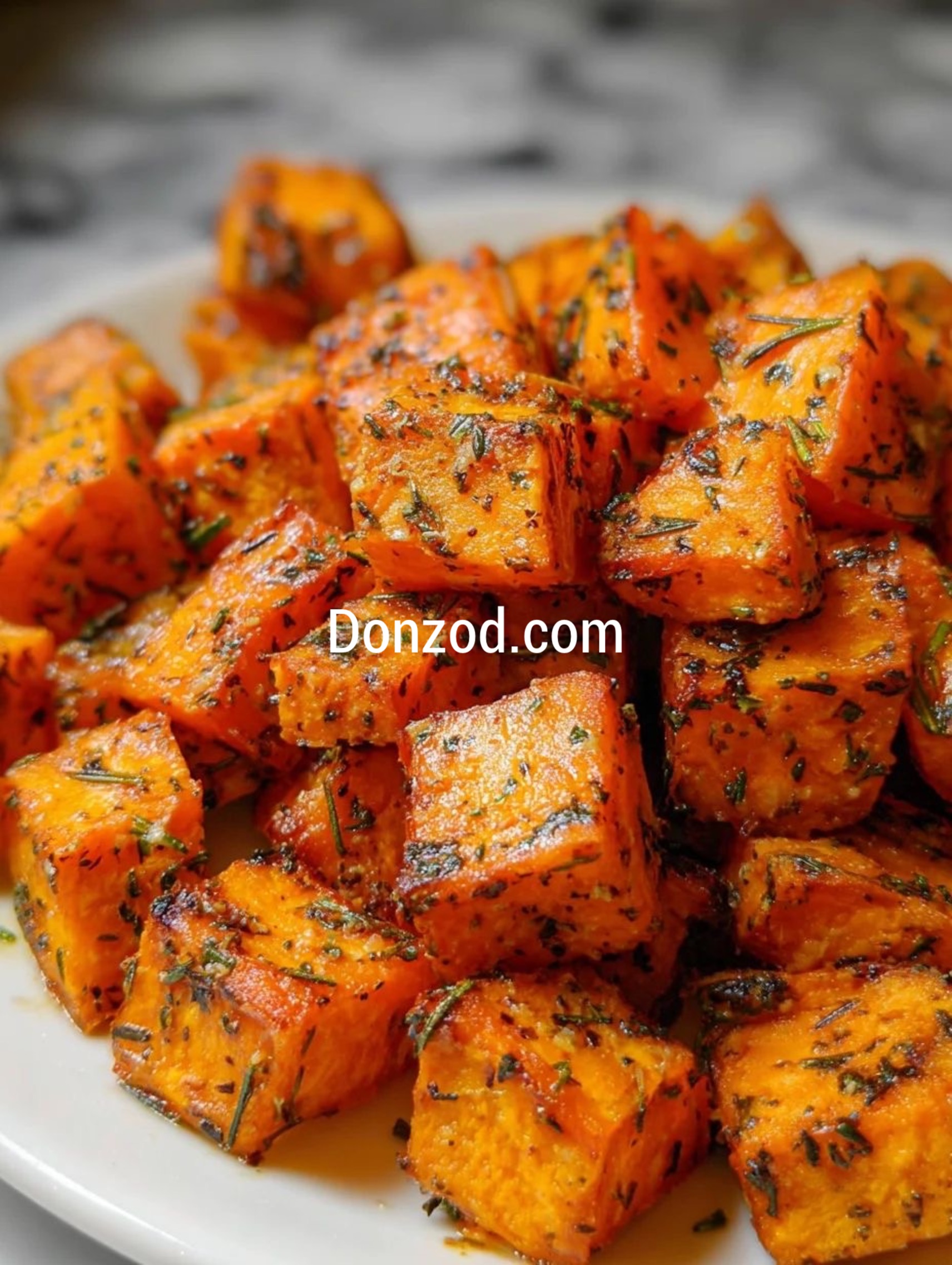
    Sweet potato are among the most versatile and nutritious vegetables available. This sweet potato vegetarian recipe offers a perfect balance of plant-based nutrition, rich flavor, and simplicity.

    Whether you are following a vegetarian, vegan, or clean eating lifestyle, this dish is an excellent addition to your weekly meal plan.

    With whole ingredients such as chickpeas, coconut milk, and warming spices, this recipe delivers a satisfying and wholesome meal that can be enjoyed year-round.

    It is also highly suitable for meal prepping and reheating throughout the week.

    Choosing Sweet Potatoes for a Vegetarian Recipe?

    Sweet potatoes are not only flavorful but also rich in essential nutrients. They are high in:

    • Dietary fiber: supporting digestive health
    • Vitamin A: vital for eye and immune function
    • Potassium: which helps regulate blood pressure
    • Antioxidants: which reduce inflammation and promote overall wellness

    Their naturally sweet flavor not only enhances the taste of many vegetarian and vegan meals but also, in particular, creates a delightful balance when paired with savory ingredients.

    Furthermore, the addition of spicy elements brings out an even more dynamic contrast that elevates the overall dish. This makes them an ideal base for plant-based recipes.

    Ingredients for the Sweet Potato Vegetarian Recipe

    To prepare this sweet potato vegetarian recipe, gather the following ingredients (serves 4):

    • 2 medium sweet potatoes, peeled and cubed
    • 1 can of chickpeas, drained and rinsed
    • 1 red bell pepper, deseeded and chopped
    • 1 zucchini, diced (optional)
    • 1 small onion, finely diced
    • 3 cloves of garlic, minced
    • 1-inch piece of fresh ginger, grated
    • 1 can full-fat coconut milk
    • 1.5 tablespoons curry powder
    • 1 teaspoon ground cumin
    • 1 teaspoon paprika
    • Salt and black pepper to taste
    • Juice from half a lime or lemon
    • A handful of spinach or kale (optional)
    • 2 tablespoons olive oil for cooking

    Step-by-Step Instructions for Preparing the Dish

    First Step:

    • Prepare the Vegetables
    • Begin by peeling and cubing the sweet potatoes.
    • Chop the remaining vegetables and set them aside.
    • Ensure that the sweet potato cubes are similar in size to allow even cooking.

    Second Step:

    • Saute the Aromatics
    • In a large pot, heat the olive oil over medium heat.
    • Add the diced onions and sauté until translucent.
    • Add the minced garlic and grated ginger, and cook for an additional 30 seconds.

    Third Step:

    • Add Spices for Depth of Flavor
    • Stir in the curry powder, cumin, and paprika.
    • Toast the spices gently for 1–2 minutes to enhance their aroma and depth of flavor.

    Fourth Step:

    • Add Sweet Potatoes and Bell Pepper
    • Incorporate the sweet potatoes and bell pepper into the spice mixture.
    • Stir to coat the vegetables evenly. Allow them to cook for approximately 5 minutes.

    Fifth Step:

    • Pour in Coconut Milk and Simmer
    • Add the coconut milk and half a cup of water or vegetable broth.
    • Stir thoroughly. Cover the pot and allow the mixture to simmer over low heat for 15–20 minutes, until the sweet potatoes are tender.

    Sixth Step:

    • Add Chickpeas and Optional Zucchini
    • Stir in the chickpeas and zucchini, if using.
    • Continue cooking uncovered for an additional 10 minutes, allowing the sauce to thicken slightly.

    Seventh Step:

    • Add Greens and Final Seasoning
    • Once the dish reaches your desired consistency, add the spinach or kale and allow it to wilt.
    • Squeeze fresh lime or lemon juice over the dish and adjust seasoning with salt and black pepper.

    Serving Suggestions for sweet potato

    This sweet potato vegetarian recipe pairs well with:

    • Steamed jasmine rice
    • Quinoa or couscous
    • Whole grain flatbread or naan
    • On its own as a thick, hearty stew

    It is perfect for a healthy vegetarian lunch or dinner and stores well in the refrigerator for up to four days.

    It can also be frozen for up to one month. Moreover, if you do choose to freeze it, be sure to allow it to thaw completely before reheating, and finally, reheat it gently to preserve its flavor and texture.

    Benefits of  Sweet Potato Vegetarian Recipe

    1. Healthy and Balanced: This dish is high in fiber, plant-based protein, and essential vitamins, making it a nutritious choice for vegetarian and vegan diets.
    2. Gluten-Free and Dairy-Free: It is naturally free from gluten and dairy, making it suitable for those with dietary restrictions.
    3. Budget-Friendly: Most ingredients are affordable and easy to find, making it ideal for individuals and families on a budget.
    4. Meal-Prep Friendly: This recipe stores and reheats well, making it convenient for weekly meal planning.

    Common Mistakes to Avoid

    • Not rinsing canned chickpeas: Unrinsed chickpeas may add a starchy flavor and reduce the smoothness of the sauce.
    • Over-toasting spices: Burning spices will introduce bitterness into the dish. Toast gently and briefly.
    • Skipping seasoning adjustments: Always taste and adjust the seasoning before serving. Lime or lemon juice enhances flavor and balance.

    Customizations and Variations

    This vegetarian sweet potato recipe can be customized in several ways:

    • Add mushrooms, carrots, or cauliflower for extra variety
    • Use lentils or white beans in place of chickpeas
    • Adjust spice levels based on preference
    • Add turmeric or garam masala for a more complex flavor profile

    Conclusion

    If you are seeking a healthy vegetarian recipe that is both easy to prepare and full of flavor, this sweet potato dish is an excellent choice. It offers nutritional value, culinary flexibility, and comfort in every bite.

    Whether you are meal prepping for the week, or perhaps cooking for family, or even exploring more plant-based options, this recipe not only serves as a reliable choice but also transitions seamlessly into a satisfying option for any occasion.

    Explore the joy of cooking with whole foods, and discover how delicious and rewarding vegetarian meals can be.


  • Fruits for Weight Loss That Helps Burn Fat Fast

    Fruits for Weight Loss That Helps Burn Fat Fast

    Fruits are packed with vitamins, minerals, fibers, and natural sugars that can help control hunger while also keeping the body nourished.

    When people talk about weight loss, the first thing that often comes to their mind is heavy gym workouts, strict dieting and sometimes even supplements that promise fast results.

    But one of the most natural and sustainable ways to manage weight is simply eating the right kind of food, especially fruits. 

    In Nigeria, we enjoy a wide range of fruits that delight the taste buds and help with weight management.

    Unlike processed foods or snacks, most fruits have low calorie density which means you can eat a good portion without consuming too many calories.

    This makes them perfect for anyone who wants to reduce weight without starving themselves.

    In this post, we will highlight some of the best Nigerian fruits that can help with weight loss and also explain why they are good choices.

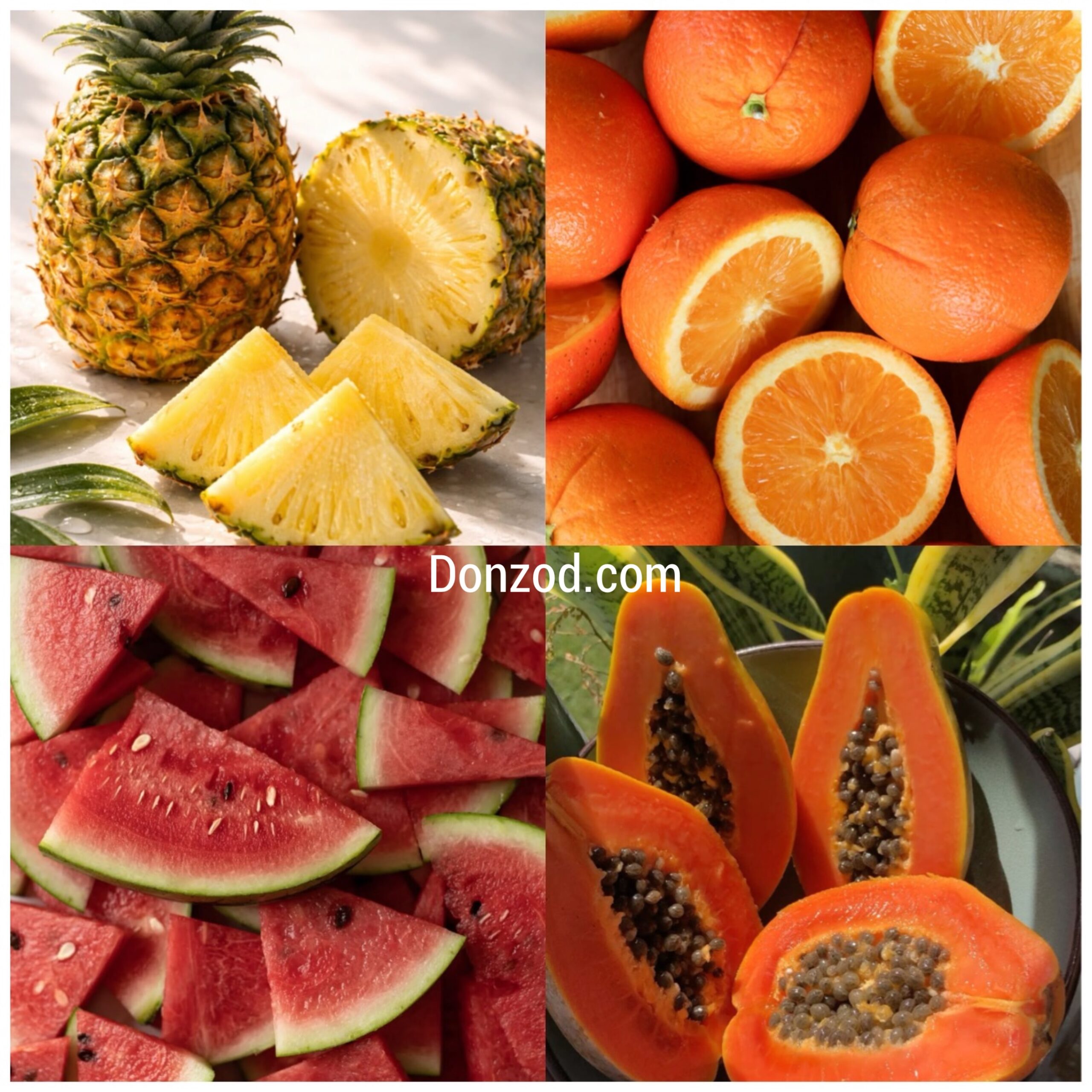
    1. Watermelon

    Watermelon is one of the most popular fruits in Nigeria, especially during the dry season when heat is high. It contains a large amount of water which helps to keep the body very hydrated.

    When it comes to weight loss, watermelon is very useful because it has very low calories. You can eat a whole slice and still not feel guilty about calories.

    The fiber in watermelon also helps to promote satiety, meaning that it makes you feel full for a longer time. This prevents overeating and reduces the chances of reaching out for unhealthy snacks.

    Another benefit is that watermelon is sweet enough to satisfy sugar cravings but in a healthy way.

    Instead of going for cakes or soft drinks, a bowl of chilled watermelon can give the same satisfaction without causing weight gain.

    1. Pineapple

    Pineapple is another Nigerian fruit that supports weight management. It has a unique enzyme known as bromelain, which helps in digestion.

    Proper digestion supports weight control because the body absorbs nutrients efficiently and functions well when it digests food properly.

    Proper digestion supports weight control because the body absorbs nutrients efficiently and functions well when it digests food properly.

    Pineapple is also low in fat and very rich in vitamin C, which supports the immune system while you are working on your fitness goals.

    Eating pineapple regularly can also help reduce bloating, which is a common issue for people trying to lose weight.

    One thing to note however, is that pineapple is naturally sweet and contains more sugar compared to watermelon.

    For that reason, it is better eaten in moderate quantities. Overeating pineapple can supply more sugar than the body needs, which may work against weight loss goals.

    1. Pawpaw

    Pawpaw is one of the most underrated fruits in Nigeria, yet it is one of the best fruits for weight loss. It is low in calories and very rich in dietary fiber.

    The fiber makes digestion slow and steady, which in turn keeps hunger away for a long time.

    Pawpaw also contains papain, a natural enzyme that aids digestion and helps in breaking down protein.

    For individuals who eat a lot of protein food like beans, fish or meat, pawpaw helps the stomach process them better, avoiding constipation and bloating.

    The fruit is also very filling and can be eaten as breakfast, snack or even dinner. Many nutritionists recommend pawpaw as a weight loss fruit because it is light, sweet and satisfying. 

    1. Oranges

    Oranges are very common in Nigeria and are often sold by the roadside. They are perfect fruits for weight loss because they contain very few calories but provide a lot of fiber. The high fiber content slows down digestion and helps to control appetite.

    Orange offers another important benefit. It packs vitamin C, which supports metabolism. A good metabolism helps the body to burn fat more effectively.

    It is always better to eat whole oranges than to drink orange juice. This is because the juice, especially when sold commercially, often contains added sugar.

    Eating the fruit itself ensures that you get the fiber and all the nutrients in their natural form without extra calories.

    1. Banana

    Banana is sometimes misunderstood when it comes to weight loss. Many people avoid it because they believe it is high in calories and sugar.

    While it is true that banana has more calories compared to fruits like watermelon or orange, it can still be very helpful for weight loss when eaten in moderation.

    Banana is rich in resistant starch, a type of carbohydrate that helps the body burn fat faster. It also provides energy, which makes it an excellent pre workout snack.

    For someone who is trying to lose weight and still exercise, banana provides the strength needed without loading the body with unnecessary fat.

    It is better to eat bananas in the morning or before exercise rather than at night. This allows the body to use the energy provided instead of storing it as fat.

    1. Apple

    Apples are available in every market across the country and they are one of the best fruits for weight loss worldwide.

    Also, apple fits into weight management. Apples are very rich in fiber, particularly pectin, which makes the stomach feel full and controls appetite.

    They also have very few calories, which makes them suitable for anyone who wants to cut down weight without feeling hungry.

    Apples also regulate blood sugar levels, meaning they prevent sudden spikes that can lead to cravings.

    Nutritionists especially recommend green apples for weight loss because they contain less sugar than red ones.

    1. African Star Apple (Udara)

    Children and adults love Agbalumo, also called Udara, a seasonal Nigerian fruit. Beyond its tangy and slightly sour taste, it is an excellent fruit for weight loss. It has very low calories and is very rich in antioxidants and vitamin C.

    The sour taste of udara also helps to control cravings. People who eat udara often find that they do not feel like eating heavy foods afterwards. It also promotes digestion and reduces constipation.

    Because it is seasonal, Nigerians usually enjoy it only between December and April. But during this time, it is one of the best natural weight loss fruits available.

    1. Cucumber

    Although some people consider cucumber more of a vegetable, many still eat it as a fruit.  In terms of weight loss, cucumber is one of the most effective options. It consists of more than 90% water and therefore offers very few calories.

    Cucumber is also very filling and can be eaten at any time of the day. Some people even replace dinner with cucumber salad in order to reduce their calorie intake.

    It is also excellent for detoxification because it helps flush out excess waste and keeps the skin fresh.

    1. Guava

    Guava is another wonderful Nigerian fruit for weight loss. It is rich in fiber, has low calories, and is packed with vitamin A and C.

    Guava also has a unique property of regulating blood sugar, which makes it very good for people who are not only trying to lose weight but also trying to manage diabetes.

    Eating guava makes the stomach feel full, reducing the desire to snack on unhealthy foods. It can be eaten raw or sliced into fruit salads.

    Conclusion On Fruits for Weight Loss

    Losing weight does not always mean denying yourself the pleasure of eating. In fact, nature has already provided the solution in form of fruits.

    Nigerian fruits such as watermelon, pineapple, pawpaw, oranges, banana, apple, agbalumo, cucumber and guava are all excellent for weight loss.

    They supply the body with essential nutrients, control appetite and provide natural sweetness without the excess calories found in processed foods.

    At the end of the day, weight loss is not about punishment but about balance. By making these fruits a regular part of your diet, you can enjoy delicious flavors, stay healthy and still reach your weight goals in a natural way.


  • Organic Protein Powder A Valuable Nutritional Choice

    Organic Protein Powder A Valuable Nutritional Choice

    Organic Protein Powder are pure nutrition without artificial addictive, they is great rise in consumer interest towards organic products.

    Among the many products gaining popularity is organic protein powder.

    While some may perceive this trend as a mere marketing strategy, a closer analysis reveals that there are legitimate reasons behind the growing preference for organic protein supplements.

    The Meaning of Organic Protein Powder

    To fully comprehend the value of organic protein powder, it is important to first understand what qualifies a protein supplement as organic.

    In the United States, for a protein powder to carry the USDA Organic label, it must meet strict regulatory requirements.

    The ingredients must be grown without synthetic fertilizers, pesticides, genetically modified organisms (GMOs), or artificial additives.

    For dairy-based organic protein powders, such as organic whey, this implies that the cows providing the milk were raised on organic feed and were not administered hormones or antibiotics.

    In the case of plant-based proteins, including pea, hemp, and brown rice proteins, the crops must be cultivated under certified organic farming practices.

    This ensures minimal chemical exposure and promotes biodiversity and soil health

    Taste and Texture Considerations of Organic Protein Powder

    One common concern among consumers is whether organic protein powders compromise on taste and texture compared to conventional alternatives.

    It is accurate that some organic protein powders, particularly plant-based varieties, may possess an earthy flavor profile.

    This can be attributed to the absence of artificial flavor enhancers, sweeteners, and preservatives commonly found in conventional protein powders.

    However, taste perception varies widely among individuals. Many reputable brands have improved their formulations over time, offering flavors that blend well with smoothies, dairy alternatives, or other healthy beverages.

    It is advisable for consumers to experiment with different flavors and brands to identify products that suit their preferences.

    Moreover, since most organic protein powders use natural sweeteners like stevia or monk fruit, the sweetness level is often subtler than conventional products containing artificial sweeteners such as sucralose or aspartame.

    Nutritional Composition of Organic Protein Powder

    When assessing organic protein powders from a nutritional standpoint, it is essential to compare the protein content per serving with that of conventional protein supplements.

    On average, conventional whey isolates provide approximately 25 grams of protein per serving, while organic plant-based protein powders typically offer around 20 grams per serving.

    Although this difference is relatively small, individuals engaged in precise dietary tracking may find it significant.

    One notable benefit of organic protein powders is improved digestibility for some individuals.

    Those who experience gastrointestinal discomfort, bloating, or intolerance to dairy-based proteins may find plant-based organic options gentler on their digestive systems.

    Additionally, organic protein powders are less likely to contain residues from pesticides or artificial chemicals, which may be advantageous for individuals with sensitivities or concerns about chemical exposure.

    Financial Considerations

    An important factor for most consumers is the cost difference between organic and conventional protein powders.

    Organic protein powders generally command a higher retail price, often ranging from 20% to 30% more than their conventional counterparts.

    For example, while a 2-pound container of conventional whey protein might retail for $25, an equivalent amount of organic plant-based protein may cost between $35 and $45.

    Whether the additional expense is justified depends on individual priorities. For consumers focused on clean eating, reduced chemical intake, and digestive health, the higher price may be a worthwhile investment.

    Conversely, individuals on a strict budget whose primary concern is protein intake may prefer conventional options.

    Environmental Impact Beyond Personal Health

    Another significant consideration often overlooked by consumers is the environmental impact associated with organic protein powder production.

    Organic farming practices emphasize sustainability. They reduce dependence on synthetic chemicals, promote soil health, encourage biodiversity, and minimize water pollution.

    By choosing organic protein powders, consumers indirectly support agricultural methods that are environmentally responsible.

    Furthermore, many manufacturers of organic protein powders implement eco-friendly packaging solutions and ethical sourcing practices.

    For example, some plant-based protein brands ensure that their raw materials are sourced from fair-trade certified farms, thereby promoting social responsibility alongside environmental stewardship.

    Consumer Awareness

    While the term organic conveys a perception of health and purity, it is important to note that not all organic protein powders meet high nutritional standards.

    Some products, despite carrying an organic label, contain high levels of added sugars, fillers, or thickeners. This can diminish the overall nutritional value and counteract the intended health benefits.

    Consumers should diligently review ingredient lists and nutrition facts before making a purchase decision. Factors to consider include:

    1. A short and transparent ingredient list
    2. Absence of artificial flavors, colors, and sweeteners
    3. Minimal added sugars
    4. A favorable protein-to-calorie ratio

    In addition, individuals with food allergies should pay close attention to allergen statements, as some organic protein powders contain ingredients like tree nuts, soy, or coconut.

    Recommended Organic Protein Powder Brands

    Through careful market research and consumer reviews, several organic protein powder brands have established a positive reputation for quality and nutritional integrity. Some notable examples include:

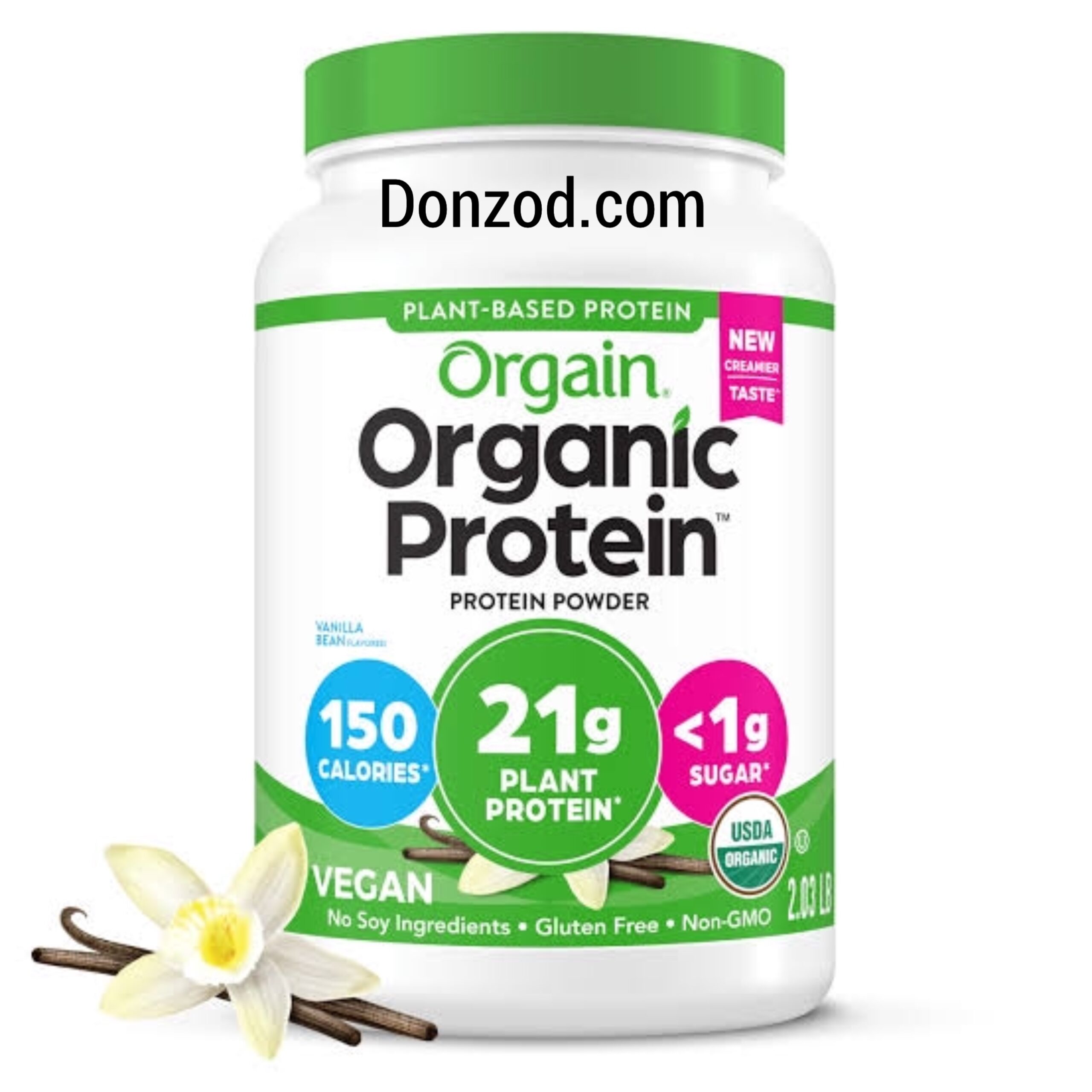
    Orgain Organic Protein recognized for its balance between affordability and taste.
    Garden of Life Sport Organic Plant-Based Protein Offers a higher protein content with complete certification for organic and non-GMO standards.

    Naked Pea; A single-ingredient product focused on simplicity, free from flavors and sweeteners, making it suitable for personalized flavoring.

     It is important to note that individual taste preferences, dietary goals, and nutritional needs will ultimately influence brand selection.

    Conclusion

    In summary, the decision to incorporate organic protein powder into one’s diet should be based on personal health goals, budget constraints, and ethical considerations.

    While organic protein powders are typically more expensive and may offer slightly less protein per serving compared to conventional alternatives, they provide benefits such as reduced exposure to synthetic chemicals, improved digestive tolerance for certain individuals, and a lower environmental footprint.

    Furthermore, choosing organic products supports agricultural practices that prioritize sustainability and environmental responsibility.

    However, consumers should remain vigilant by reading ingredient labels and selecting products with minimal additives and high nutritional quality.

    Ultimately, while organic protein powders are not a necessity for achieving fitness or nutritional goals, they can be a valuable addition for those seeking cleaner, environmentally conscious, and more natural dietary supplements.

    By making informed purchasing decisions, consumers can align their dietary choices with both personal wellness and broader environmental values.


  • Pumpkin Cookies That is Irresistible

    Pumpkin Cookies That is Irresistible

    Pumpkin cookies capture the essence of the autumn season with their warm spices and comforting texture.

    Among these delightful season offerings, pumpkin cookies stand out as a timeless and beloved favorite.

    These soft, chewy, and aromatic cookies capture the essence of the autumn season in every bite, making them a must try for all pumpkin lovers.

    In this blog post, we will explore the world of pumpkin cookies, from their rich history to mouthwatering recipes that will leave you craving more.

    The History of Pumpkin Cookies

    Irresistible pumpkin cookies, often referred to as pumpkin spice cookies, have a rich history that dates back to colonial America.

    Pumpkins were one of the earliest crops cultivated by Native Americans, and they played a significant role in the diets of early settlers.

    While the pioneers may not have enjoyed the same recipes we do today, pumpkin nevertheless served as a versatile ingredient.

    In fact, they used it in various dishes such as pies, soups, and cookies and, moreover, it remained a staple that connected their meals to the harvest season.

    In the 17th century, colonists began experimenting with pumpkin in their baking. Consequently, this innovation led to the development of recipes like pumpkin pie.

    Furthermore, over time, those experiments eventually gave rise to pumpkin cookies, which, in turn, became a seasonal favorite.

    These early cookies were typically simple and natural, made from basic ingredients like pumpkin, sugar, and spices.

    They were often enjoyed during the harvest season. In fact, families treated them as a way to celebrate the abundance of pumpkin.

    Moreover, these dishes symbolized gratitude for the season’s bounty and, consequently, became part of cherished traditions.

    Over time, as baking techniques and ingredients evolved, the pumpkin cookie likewise changed. In fact, each new method introduced subtle variations.

    Moreover, these innovations gradually transformed the cookie into the beloved autumn treat we know today.

    The addition of ingredients like eggs, flour, and baking powder helped create a softer, more cake like cookie.

    Moreover, the spices that we associate with pumpkin cookies today such as cinnamon, nutmeg, and cloves were, in fact, introduced to enhance the flavor.

    In addition, these warm spices not only deepened the taste but also, consequently, helped define the comforting essence of autumn baking. This led to the creation of the classic pumpkin cookie we know and love today.

    The Appeal of Pumpkin Cookies

    Pumpkin cookies have earned their place as a cherished treat for a variety of reasons. Here are some of the key factors that contribute to their irresistible appeal:

    1. Fall Flavor: The rich, earthy flavor of pumpkin combined with warm spices like cinnamon and nutmeg evokes the comforting essence of the autumn season. With each bite, you are transported to a cozy, fall-themed wonderland.
    2. Moist and Tender: Pumpkin cookies are known for their soft and tender texture, thanks to the moisture content in the pumpkin mash. This moistness makes them incredibly rich and delightful.
    3. Versatility: Pumpkin cookies can be customized in various ways to suit individual preferences. You can add chocolate chips, nuts, raisins, or even white chocolate chunks to create your ideal flavor combination.
    4. Simple Preparation: Most pumpkin cookie recipes are relatively straightforward, making them accessible to bakers of all skill levels. Whether you are a seasoned baker or a novice in the kitchen, you can whip up a batch of these cookies with ease.
    5. Seasonal Tradition: For many, baking pumpkin cookies is a cherished tradition that marks the beginning of the fall season. The sweet aroma that fills the kitchen while they bake is a longing and heartwarming experience.

    Now that we have explored the history and appeal of pumpkin cookies, let’s dive into a couple of mouthwatering recipes that will have you craving these delightful treats.

    Recipe 1: Classic Pumpkin Spice Cookies

    Ingredients:

    • 1 cup canned pumpkin puree
    • 1 cup granulated sugar
    • 1/2 cup unsalted butter, softened
    • 1 egg
    • 1 teaspoon pure vanilla extract
    • 2 cups all-purpose flour
    • 1 teaspoon baking powder
    • 1 teaspoon baking soda
    • 1/2 teaspoon salt
    • 1 1/2 teaspoons ground cinnamon
    • 1/2 teaspoon ground nutmeg
    • 1/4 teaspoon ground cloves

    Instructions:

    1. Preheat your oven to 350°F (175°C) and line a baking sheet with parchment paper.
    2. In a mixing bowl, cream together the softened butter and granulated sugar until light and fluffy. Add the egg and vanilla extract, and mix until well combined.
    3. In a separate bowl, whisk together the flour, baking powder, baking soda, salt, and spices (cinnamon, nutmeg, and cloves).
    4. Gradually add the dry ingredients to the wet mixture, mixing until a smooth dough forms.
    5. Drop a spoonful of dough onto the prepared baking sheet, spacing them about 2 inches apart.
    6. Bake for 10-12 minutes, or until the edges are golden brown. The cookies will be soft when you remove them from the oven.
    7. Let the cookies cool on the baking sheet for a few minutes before transferring them to a wire rack to cool completely.

    Recipe 2: Pumpkin Chocolate Chip Cookies

    Ingredients:

    • 1 cup canned pumpkin puree
    • 1 cup granulated sugar
    • 1/2 cup unsalted butter, softened
    • 1 egg
    • 1 teaspoon pure vanilla extract
    • 2 cups all-purpose flour
    • 1 teaspoon baking powder
    • 1 teaspoon baking soda
    • 1/2 teaspoon salt
    • 1 1/2 teaspoons ground cinnamon
    • 1/2 teaspoon ground nutmeg
    • 1/4 teaspoon ground cloves
    • 1 cup chocolate chips

    Instructions:

    1. Preheat your oven to 350°F (175°C) and line a baking sheet with parchment paper.
    2. In a mixing bowl, cream together the softened butter and granulated sugar until light and fluffy. Add the egg and vanilla extract, and mix until well combined.
    3. In a separate bowl, whisk together the flour, baking powder, baking soda, salt, and spices (cinnamon, nutmeg, and cloves).
    4. Gradually add the dry ingredients to the wet mixture, mixing until a smooth dough forms.
    5. Gently fold in the chocolate chips.
    6. Drop a spoonful of dough onto the prepared baking sheet, spacing them about 2 inches apart.
    7. Bake for 10-12 minutes, or until the edges are golden brown. The cookies will be soft when you remove them from the oven.
    8. Let the cookies cool on the baking sheet for a few minutes before transferring them to a wire rack to cool completely.

    Conclusion

    Pumpkin cookies are irresistible seasonal delight that has a rich history and a timeless appeal.

    These cookies have evolved from simple colonial recipes to become a cherished tradition in many households during the fall season.

    Their distinctive flavor, moist and tender texture, and versatility make them a favorite treat for people of all ages.

    Whether you opt for the classic pumpkin spice cookies or, on the other hand, choose the chocolate chip variation, you are still in for a delectable experience.

    In fact, each bite captures the essence of the fall season and, moreover, delivers the warmth and comfort that make autumn so special.

    The sweet, comforting aroma that fills your kitchen as they bake is a wonderful reminder of the joys of the fall season.

    So, why not make a batch of pumpkin cookies and, in doing so, create your own seasonal tradition? Whether you are savoring them with a cup of hot apple cider or, alternatively, sharing them with loved ones, each bite connects you to the warmth of the season.

    These cookies are sure to warm your heart and fill your taste buds with the delicious flavors of fall. Do not miss out on the joy of indulging in pumpkin cookies this season. Happy baking!